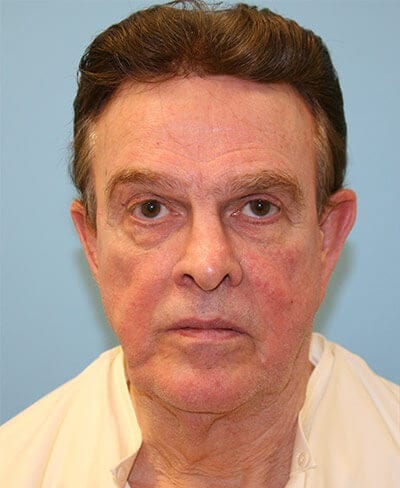
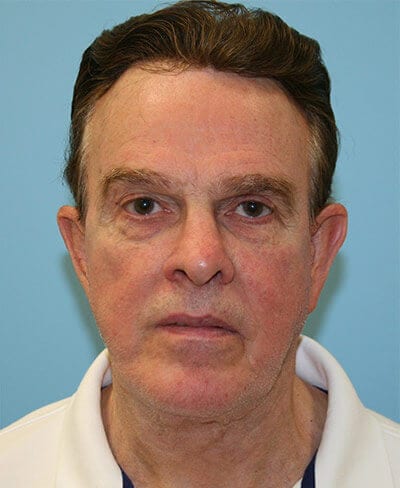
Welcome
Dr. Albert Fox is a facial plastic and reconstructive surgeon with his office located in Dartmouth, Massachusetts. He is committed to providing state-of-the-art facial plastic surgery and related services to his patients of the South Coast region, Cape Cod, and Rhode Island. Through continued education, attention to detail, a caring and compassionate approach, Dr. Fox strives for excellence to provide the best possible care.
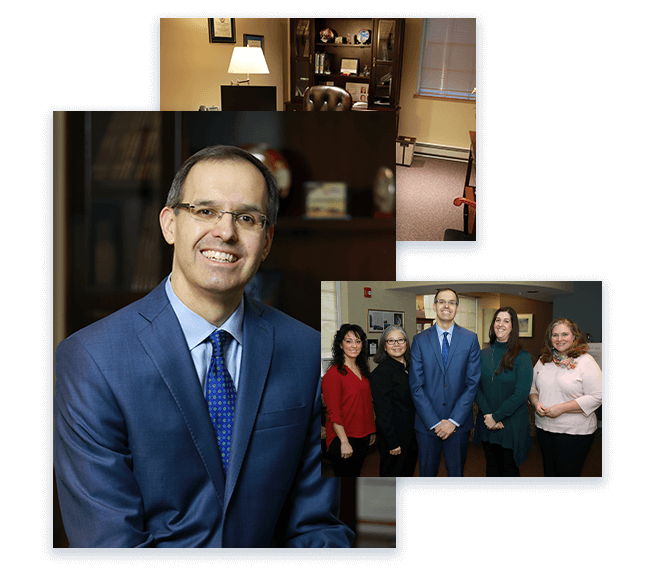
Dr. Albert Fox
Dr. Albert Fox is a facial plastic and reconstructive surgeon with his office located in Dartmouth, Massachusetts. He is committed to providing state-of-the-art facial plastic surgery and related services to his patients of the South Coast region, Cape Cod, and Rhode Island. Through continued education, attention to detail, a caring and compassionate approach, Dr. Fox strives for excellence to provide the best possible care.


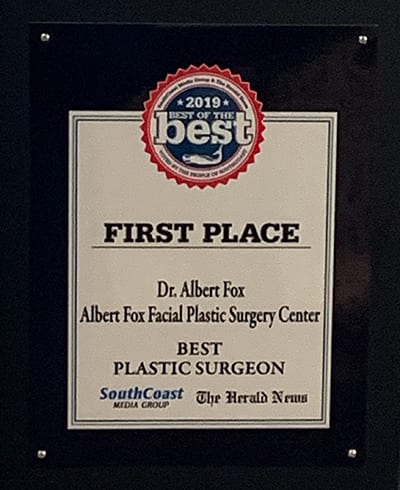
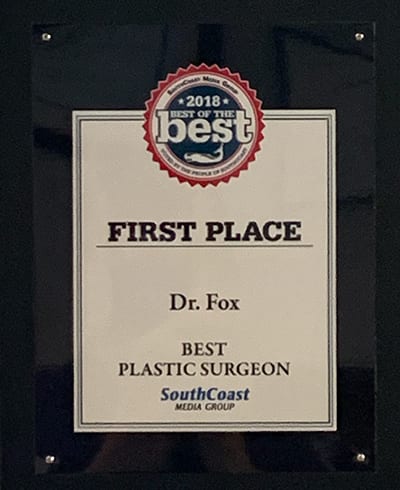

Media Appearances
Dr. Fox was recently featured in an article in The Standard-Times, which is a newspaper covering the South Coast of Massachusetts.
Read The ArticlesSurgery Suite Accreditation
The Albert Fox Facial Plastic Surgery Center provides surgery services in our fully accredited, private surgical suite. The full accreditation by the Accreditation Association for Ambulatory Health Care (AAAHC) ensures that our office-based surgical center adheres to the highest standards in modern outpatient surgery. Dr. Albert Fox, with the support of his experienced anesthesia and nursing team, are committed to providing excellence in outpatient care for facial plastic surgery.
Humanitarian Work
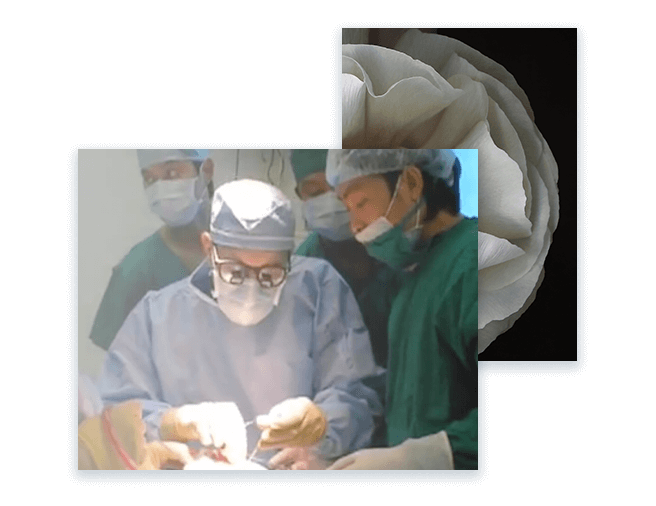
Dr. Albert Fox performs pro-bono surgery and teaching through volunteer work with FACE TO FACE. FACE TO FACE, is a humanitarian program conducted under the auspices of the American Academy of Facial Plastic and Reconstructive Surgery (AAFPRS Foundation). Dr. Albert Fox assists those who suffer from facial deformities caused by birth, trauma or domestic violence.
Specials & Events
Learn MoreI want to thank Dr. Fox for the excellent job he did on my nose. He was very thorough in explaining every procedure in detail with me. I would recommend him to all of my family and friends. He is the Best.
– B.V.
Thank you for all the surgery you did for me and all the great care afterwards. It came out so good! You’re the Greatest!!
– M.C.
The whole experience was wonderful! The staff was very caring and really made me feel important during the surgery. Dr. Fox did an amazing job! I would absolutely recommend him. I feel awesome about the results.
– C.D.